
The short answer is an unequivocal no: lab-grown gemstones are not fake. Calling a lab-grown gem “fake” is like calling an ice cube from a modern freezer “fake ice” simply because it did not freeze over a winter lake. While their formation environments differ, both are chemically identical and share the exact same crystal structure, optical brilliance, and physical properties as their earth-mined counterparts. They are genuine gemstones created in a laboratory through advanced crystal-growth technology that faithfully replicates the conditions of the deep earth.
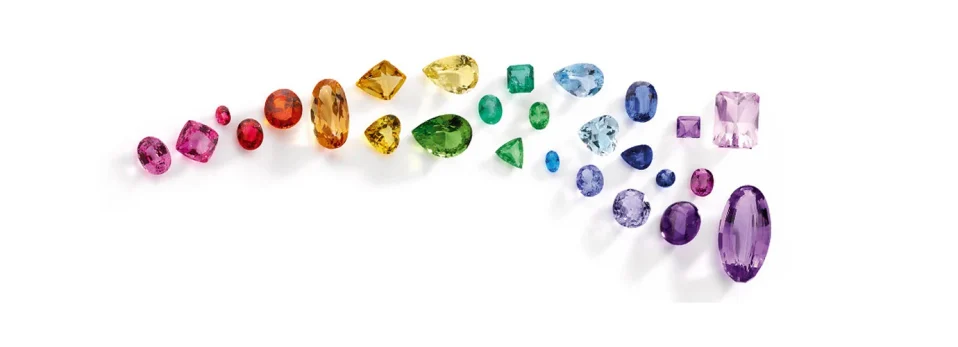
The misconception often stems from confusing lab-grown gems with cheap imitations. In mineralogy, mined and lab-grown rubies and sapphires are both authentic corundum—primarily composed of aluminum oxide and rated a 9 on the Mohs hardness scale, right below diamond. A ruby’s fiery red comes from trace amounts of chromium, while sapphire’s blue arises from iron and titanium. Likewise, a lab-grown emerald is genuine beryl, colored by chromium and vanadium. Unlike true simulants such as glass or cubic zirconia—which are entirely different materials that scratch and cloud over time—lab-grown gemstones are not imitations; they are chemically and physically the real deal.
Ultimately, the debate is not about “real versus fake,” but “natural rarity versus technological creation”. Natural gemstones carry steep prices driven by finite reserves and mining costs, while lab-grown gemstones eliminate that scarcity markup. They deliver the exact same beauty, permanence, and wearability as mined gems, proving that a laboratory origin does not make a genuine stone any less real.